 French
 Spanish
 German
 Italian
 English
Tap Water Filter: What to Choose?
Table of Contents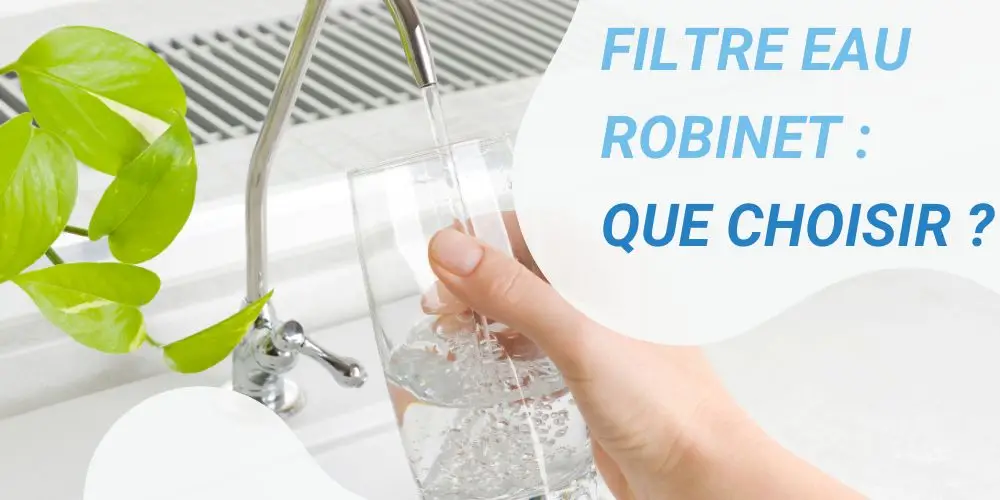
Ensuring that you drink high-quality water is an important element for a healthy and balanced life. And we will see that a good tap water filter plays a crucial role in this objective.
Indeed, hydration is crucial for health and the proper functioning of our body. Water plays a vital role in many metabolic processes, including regulating body temperature, digestion, and lubricating joints. This is why it is essential to hydrate with high-quality water.
In France, tap water is perfectly drinkable. However, depending on the regions, its quality can be significantly improved, particularly in terms of taste and smell. This is where your tap water filter comes into play.
Also read: Quality of tap water in France: everything you need to know
Water Filters: Many Models
First of all, note that there are many models of water filters. This proliferation of filtration systems or drinking water treatment options on the market can sometimes confuse or even mislead the consumer. Below are the main ones:
Simple Installation
- Tap filters: These filters attach directly to the tap, filtering the water as it flows. They are generally less expensive than other options. However, they will not remove as many contaminants as other filters.
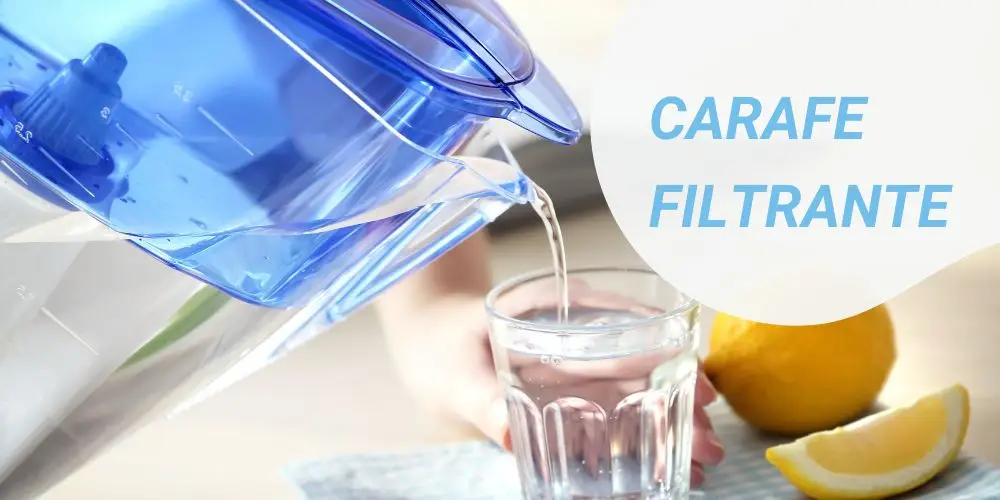
- Filtering pitchers / Filter carafes: The filter carafes are a portable and convenient option that requires no installation. They traditionally use an activated carbon filter (which we will discuss later) to remove certain contaminants, but their filtration capacity is generally more limited.
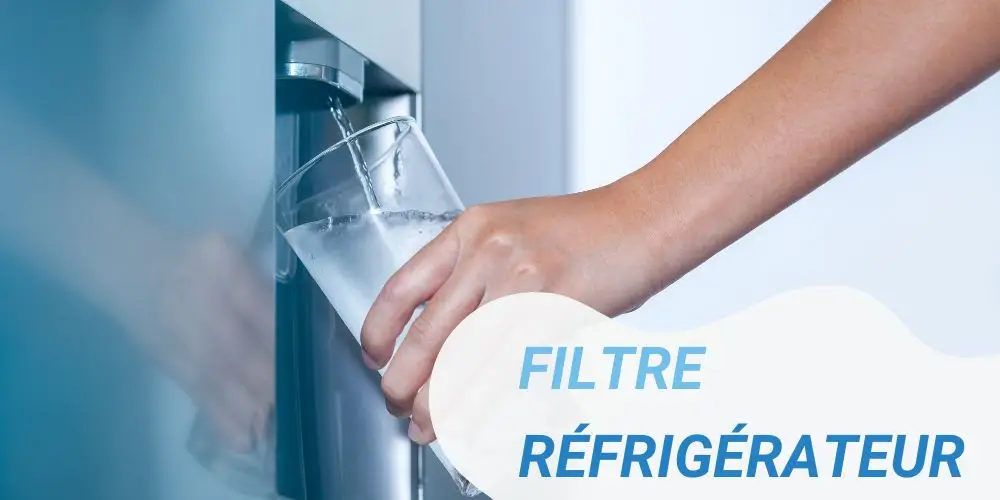
- Refrigerator filters: Some refrigerators are equipped with built-in water filters that provide filtered cold water directly from the door.
More Complicated Installation
- Countertop filters: These filters are installed on the kitchen countertop. They are connected to the tap via a hose. They can generally remove a wide range of contaminants.
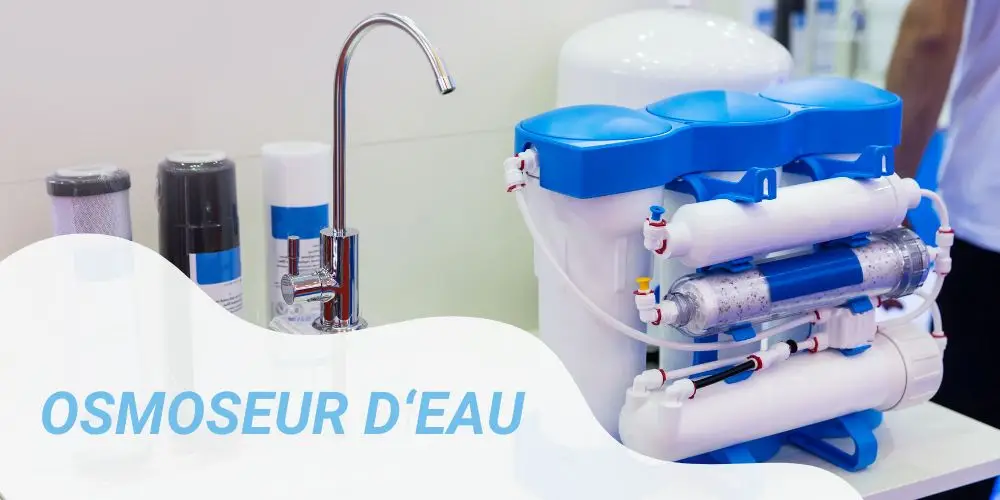
- Reverse osmosis filtration systems: These systems are usually installed under the sink and use a semi-permeable membrane to remove a wide variety of contaminants, including heavy metals and certain microorganisms.
- Distillation filters: These systems heat water to create steam, which is then cooled and condensed into pure water. They are very effective at removing a wide range of contaminants. However, they are expensive and require more energy than other types of filters.
- Under-sink filters: These filters are installed directly in the plumbing under the sink. They then provide filtered water directly from the tap. They have a higher filtration capacity than tap filters and can remove a wide range of contaminants.
Also read: How to filter tap water? and The benefits of filtered water
Tap Water Filter: Composition
Now, we need to dive into the heart of the matter and see the elements that make up the filters of the various tap water filtration systems mentioned above.
Activated Carbon
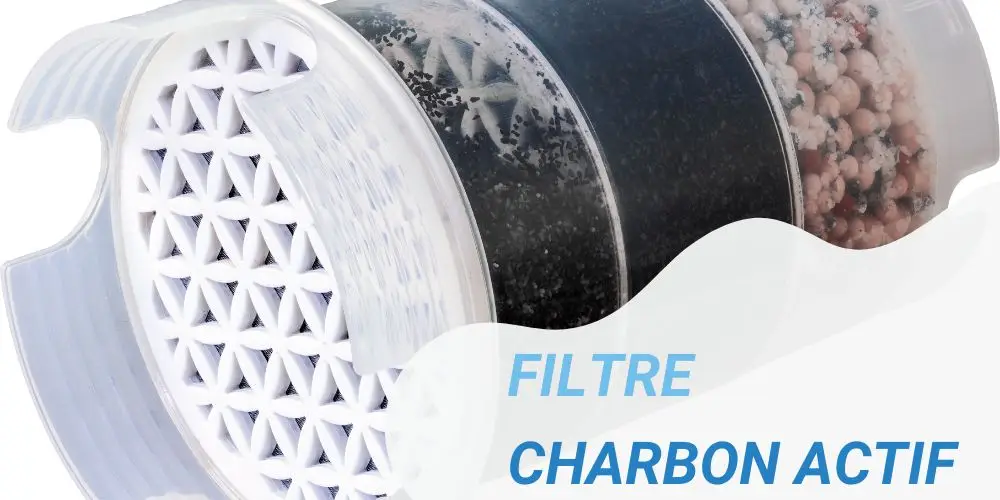
First, note that one of the most widespread water filters on the market is the activated carbon filter. You can find these filters in the cartridges of filter carafes, on the water filters that you attach directly to the tap, or under your sink. Activated carbon filters are often used to eliminate bad odors and tastes from water by removing, for example, some of the chlorine present in tap water. As their name suggests, these filters contain carbon that absorbs impurities.
Also read: Activated carbon for filtering tap water: advantages, limitations, and effective alternatives and Binchotan charcoal for filtering tap water, from dream to reality
Ion Exchange
You will also find many water filters that contain ion exchangers. These filters are used to purify water using “ion exchange resins” that have the ability to exchange harmful elements present in the water with beneficial elements present in the resin. Initially, the resins capture the harmful elements, which are then removed from the filter. These filters are found in the various systems mentioned earlier, either alone or in combination with activated carbon, to enhance the overall performance of the filter.
The most advanced models of water filters (such as reverse osmosis systems) use cutting-edge treatment processes to remove the most persistent contaminants such as heavy metals and pesticides. However, these models are generally quite expensive.
Finally, it should be noted that the price varies significantly depending on the type and brand of water filter you choose. Therefore, it will be important to understand your filtering needs before choosing a model.
Also read: Tap water purifier: the 7 questions to ask before purchasing and the best…
Disadvantages of Traditional Water Filters
While traditional water filters sometimes represent a solution (often with relative effectiveness as shown by this Que Choisir study on filter carafes!) to improve the quality of the water we consume, they also have certain disadvantages that should not be overlooked.
Thus, domestic water filters have represented a practical and occasionally effective solution for improving the quality of the water we consume for several decades. However, it is becoming increasingly clear that the negative aspects associated with their use lead us to consider new, more sustainable and effective solutions. We will discuss this at the end of the article.
Demanding and Costly Maintenance
Indeed, any domestic filtration system for your drinking water will require regular maintenance.
Over time, particles and impurities will clog your filters. This will reduce their effectiveness and lead to poor water quality.
Moreover, a water filter in poor condition can cause leaks and pressure problems, which can be dangerous to health. Therefore, it is important to clean and replace the filters frequently, such as every month for a filter carafe (Make sure to note this in your calendar!). This obviously represents a cost.
Finally, some filter purifiers such as under-sink osmosis systems can be bulky (and unattractive!) and require space for installation. Thus, it is important to consider these disadvantages when choosing a water filter to ensure that it meets your needs and lifestyle.
Alteration of Water Taste and Odor
It is common for some water filters to alter the taste and odor of water. This can be due to several factors.
First, some filters use materials that can affect the taste and odor of water, such as activated carbon or silver.
Additionally, water may be exposed to high temperatures as it passes through the filter, which can alter its organoleptic properties.
Finally, some filters allow impurities to pass through that can affect the taste and odor of the water.
A Negative Ecological Impact of Water Filters
Water filters have a negative ecological impact for several reasons:
- Use of raw materials: Some water filters require the use of non-renewable raw materials, such as plastics, for their manufacture.
- Production of waste: Used filters or discarded cartridges can generate a large amount of waste that can be difficult to manage. These often end up in oceans and natural spaces, causing significant damage to ecosystems and the species that inhabit them.
- Impact on wastewater: some filters discharge polluting residues into wastewater that can harm ecosystems in waterways or aquifers.
- Carbon footprint: The manufacturing, transport, and use of these filters have a carbon impact that can contribute to climate change.
If you are therefore aware of eco-friendly solutions, it becomes clear that an alternative to using water filters is necessary.
Bottled Water? A False Good Idea
Finally, let’s dismiss the solution of bottled plastic water.
An Alarming Cause of Pollution
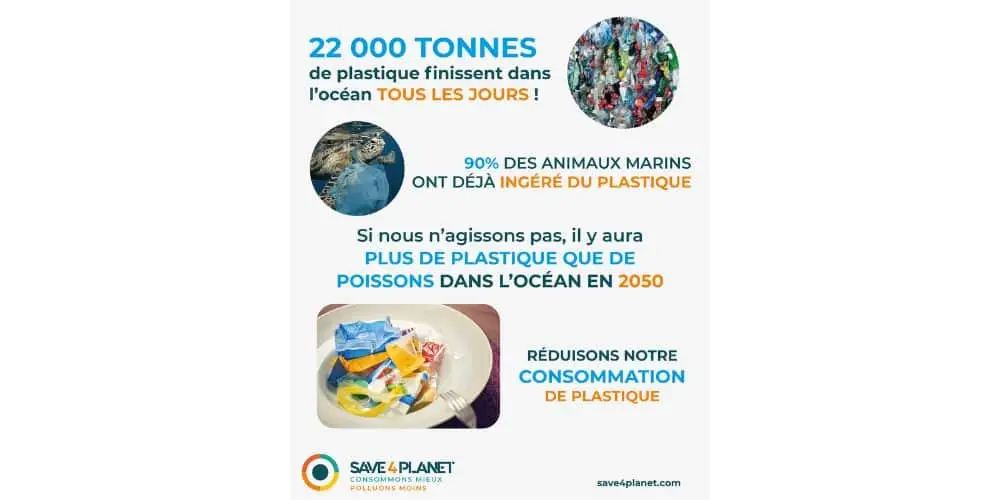
Plastic water bottles are among the most polluting product categories. Their production has a significant impact on the environment, and their daily use contributes to ocean and natural space pollution. As the website Save4Planet reminds us, the plastic waste that pollutes our oceans largely comes from plastic water bottles.
Furthermore, this article informs us that 25 million plastic water bottles are used daily in France. This figure places our country in the top 5 worldwide while we have access to drinking water, unlike other countries that genuinely depend on bottled water.
A High Cost
One of the other main disadvantages of plastic water bottles is their high purchase cost. Indeed, bottled water is, as Que Choisir reminds us, 65 times more expensive on average than tap water! If you regularly buy plastic water bottles, this can quickly become costly over the year and weigh on the family budget.
An article from Dauphiné thus informs us that depending on their water consumption, a French household can spend between 200 and 800 euros on bottled water purchases per year, not to mention the unpleasant experience for the back of having to carry hundreds of liters of water.
Despite everything, the market for plastic water bottles remains thriving, particularly due to the growing demand for easily transportable containers.
It is important to raise awareness among users about the consequences of their consumption of these products and encourage them to opt for more sustainable alternatives.
Also read: What are the environmental impacts of plastic water bottles and how to avoid them
LaVie: An Innovative Solution to Purify Drinking Water Without Filters
Now you know most of the various disadvantages of domestic water filters or the purchase of bottled water.
Should we therefore abandon the idea of obtaining better quality for your domestic water?
It is clear that no! Alternative and innovative solutions, without the use of water filtration systems and which provide better results, exist.
LaVie water purifiers, which use a purification system without water filters, meet this requirement.
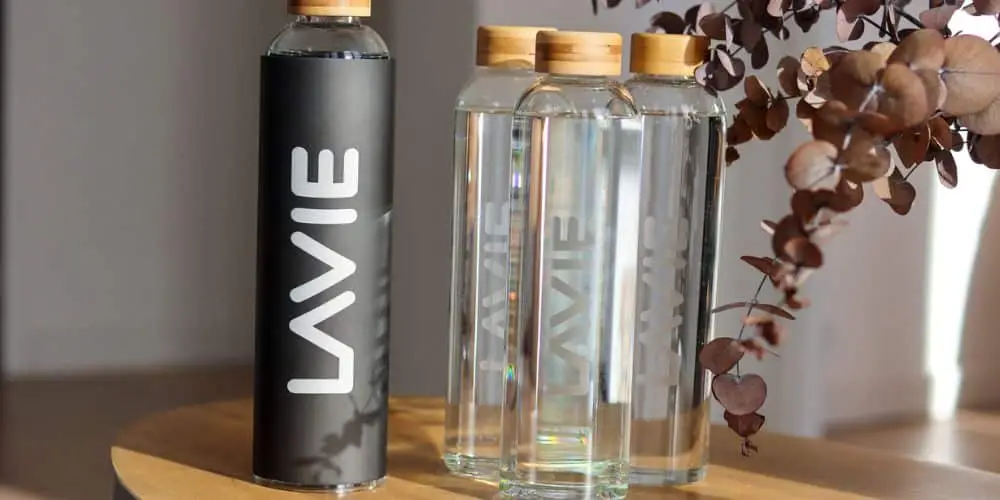
LaVie, a New Kind of Water Purifier
The development of LaVie water purifiers is the result of innovative research by the founders of the company Solable, all accompanied by laboratory tests conducted in France.
Instead of using filtration to purify tap water, LaVie water purifiers use UV-A Radiation that will destroy the chlorine present in tap water, thus creating a chain reaction that will purify the water of its other contaminants.
In 15 minutes, your tap water is rid of its chlorine and the unwanted odors and tastes that accompany it. Moreover, the chemical reaction that breaks down chlorine is accompanied by the destruction of other impurities, such as pesticides and pharmaceutical residues.
Say Goodbye to Water Filters
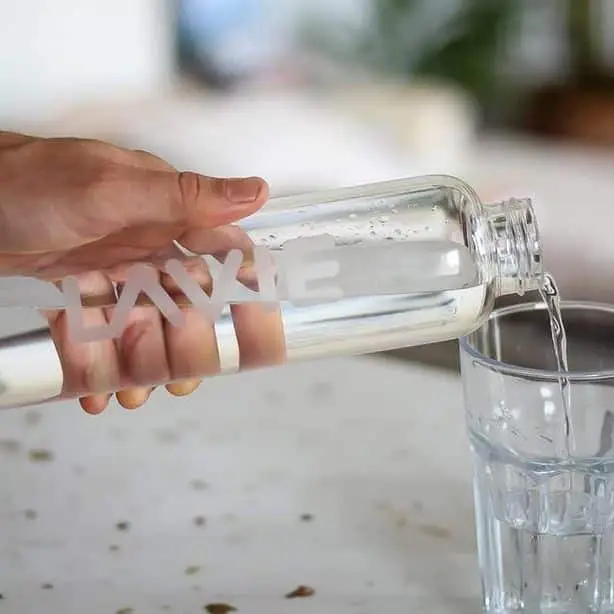
You will have understood, the purification process of LaVie is filter-free! Therefore, you will produce no plastic waste, will not have to regularly purchase consumables, and will require negligible electricity consumption (1.5€ for 1000 liters of purified water). So yes, like any industrial production, there is a carbon footprint associated with the manufacturing of the aluminum tube of the LaVie water purifier. However, know that this is neutralized in a few days of use compared to the equivalent consumption of bottled water. If this article has convinced you of the obsolescence of water filters, we invite you to visit the LaVie store to see which water purifier will suit your daily life.
Also read: The most common water filtration methods: advantages and disadvantages
Tap Water Filter: FAQ
What is the best way to filter water?
The “best” way to filter water depends on the quality of the local water and your specific needs. For general filtration, activated carbon filters are a popular choice. For more comprehensive removal of contaminants, reverse osmosis systems or UV purifiers, like LaVie water purifiers, are better options. It is advisable to have your water tested to determine which contaminants should be targeted by filtration.
Is it healthy to filter tap water?
Filtering tap water can be beneficial for health, especially in areas where water quality is poor. Water filters remove various contaminants, such as chlorine, heavy metals, and certain microorganisms, which can affect health. However, it is important to choose an appropriate filtration system and maintain it properly to ensure its effectiveness.
Also read: The benefits of filtered water
Are water filters effective?
Yes, water filters are generally effective at improving water quality by removing or reducing contaminants. The effectiveness depends on the type of filter used. For example, activated carbon filters are good for removing chlorine and improving taste and odor, while reverse osmosis systems can eliminate a broader range of contaminants. It is crucial to choose a filter suited to your specific needs.
Can you really taste a difference in water with a filter?
Yes, most water filters improve the taste and odor of water by removing chlorine and other impurities. However, some filters may slightly alter the taste of water depending on the materials used. LaVie water purifiers, thanks to their UV-A technology, preserve the natural taste of water while eliminating unwanted odors and flavors.
How to maintain my water filter?
The maintenance of water filters depends on their type. For activated carbon filters, it is recommended to replace them every 2 to 6 months, depending on usage. Reverse osmosis systems require membrane replacement every 1 to 2 years. It is important to follow the manufacturer’s instructions to ensure optimal filter effectiveness. In comparison, LaVie water purifiers do not require filter replacement, making them more practical and economical in the long term.
Are tap water filters eco-friendly?
Although water filters help reduce the consumption of plastic bottles, their ecological impact is not negligible. The production and regular replacement of filters generate waste, often non-recyclable. LaVie water purifiers, on the other hand, offer a more eco-friendly approach by eliminating the need for disposable filters and thus reducing plastic waste production.
What are the differences between a water filter and a LaVie water purifier?
Traditional water filters work by removing physical, chemical, and biological impurities from water using various mechanisms like activated carbon or reverse osmosis membranes. In contrast, LaVie water purifiers use a technology based on UV-A radiation to purify water. This method does not require a replaceable filter, thus avoiding waste production and regular maintenance. Moreover, LaVie purifiers are designed to effectively eliminate chlorine and improve the taste and odor of water without altering its mineral composition.
How much does a tap water filter cost?
The cost of water filters varies significantly depending on the type and brand. Tap filters and filtering carafes are generally the most affordable, with prices ranging from 20 to 100 euros. Under-sink systems and reverse osmosis systems are more expensive, ranging from 100 to over 500 euros. In comparison, the initial cost of a LaVie water purifier is higher, but it is offset by the absence of filter replacement costs in the long term.
Where can I buy a LaVie water purifier?
LaVie water purifiers can be purchased directly from the LaVie online store or from authorized distributors. They are also available in some specialty stores for home appliances and kitchen equipment. It is recommended to check the official LaVie website for a list of authorized retailers and to ensure the authenticity of the product.
Why is it better to drink tap water rather than bottled water?
Drinking tap water is often preferable for several reasons: it is more eco-friendly as it reduces plastic consumption, it is economical, and tap water is subject to strict quality controls in many countries. Additionally, tap water does not require transport over long distances, thus reducing its carbon footprint.

Article written on 13/07/2023 by Pascal Nuti – CIO Solable – Passionate about energy, I constantly seek new improvement targets by exploring cross-cutting paths using innovative methods.
Article written on 13/07/2023 and updated on 19/06/2024
 Discover the LaVie store!
These articles on tap water filters and purifiers may also interest you:
Find all our articles about waterDo you want to stay updated on our articles about water?
Sign up below for our Newsletter
and get -5% on your first order!