 French
 Spanish
 German
 Italian
 English
The tap water in France is subject to very strict health controls. However, it almost systematically contains undesirable contaminants such as chlorine, pesticide residues, heavy metals, microplastics, or PFAS.
In addition to a taste or odor that can sometimes be unpleasant, more and more French people are concerned about the health consequences of these pollutants.
Activated carbon is now one of the most popular and affordable filtration methods to improve tap water quality. Binchotan charcoal sticks, filtering carafes, faucet or under-sink filters, the options on the market are numerous… but not all are equally effective!
So, is activated carbon really the right solution to purify tap water? What are its advantages? Its lifespan? And above all, which systems are the most effective against the contaminants present in water? Our answers in this article!
What is activated carbon and how does it work in water?
Activated carbon is a form of carbon treated to have small pores on its surface, with a high adsorption capacity (not to be confused with ‘absorption’!). It is generally obtained from organic materials such as wood, coconut shells, or even certain types of coal. The material is first carbonized and then ‘activated’ through a chemical or thermal treatment, creating a porous structure ready to capture all kinds of impurities!
In the field of water purification or filtration, activated carbon is often used in a water purifier filter to eliminate substances such as chlorine, sediments, microplastics… When water passes through the filter, contaminants are captured and retained by the activated carbon, giving the water a better smell, taste, and above all, better quality.
For example, if you have ever used a filtering carafe in your kitchen, there is a good chance it has an activated carbon filter!
Should activated carbon be used to purify water?
Activated carbon is now one of the most accessible natural solutions to improve tap water quality. Unlike a mechanical filter, it attracts and retains many undesirable substances on its porous surface. The Opropre Turquoise filter, for example, has an ‘unfolded’ adsorption surface of over 1000 m² per gram of activated carbon, equivalent to the surface of 100 football fields in a single filter!
Using activated carbon is also an excellent alternative to bottled mineral water. Not only does it allow you to reduce your plastic consumption, but it also leads to significant savings: bottled water costs on average 300 times more than tap water!
Finally, the use of activated carbon in treating tap water is particularly effective for eliminating certain specific contaminants, such as chlorine, sediments, and even heavy metals, microplastics, and pesticides for some advanced systems like Opropre Turquoise.
Are all activated carbons equal?
Well, no! The quality of activated carbon varies significantly depending on its source, treatment, and use. Low-quality activated carbon, often derived from fossil sources or poorly processed, can not only be ineffective at retaining pollutants but can also release undesirable substances into your water, such as tar or ash!
The amount of activated carbon used also plays a crucial role. For example, the filters in filtering carafes, although accessible, contain a low amount of activated carbon, which limits their ability to treat high levels of pollutants over time. This is why they must be replaced regularly (every 3 to 4 weeks), at the risk of presenting a bacterial growth hazard, as we explain in this article on the filtering carafe.
In contrast, high-quality activated carbon used in large quantities, like the Opropre Turquoise filter which contains up to 15 times more activated carbon than a standard filter, allows for capturing many contaminants and has an extended lifespan (6 months of use).
To better understand the differences between the main activated carbon filtration solutions, here is a comparative table summarizing their effectiveness against various pollutants:
|
Filtered, reduced, or eliminated element |

Classic filter jug |
Tap filter |

Reverse osmosis system |

Under-sink Opropre filter |

LAVIE Purifier |
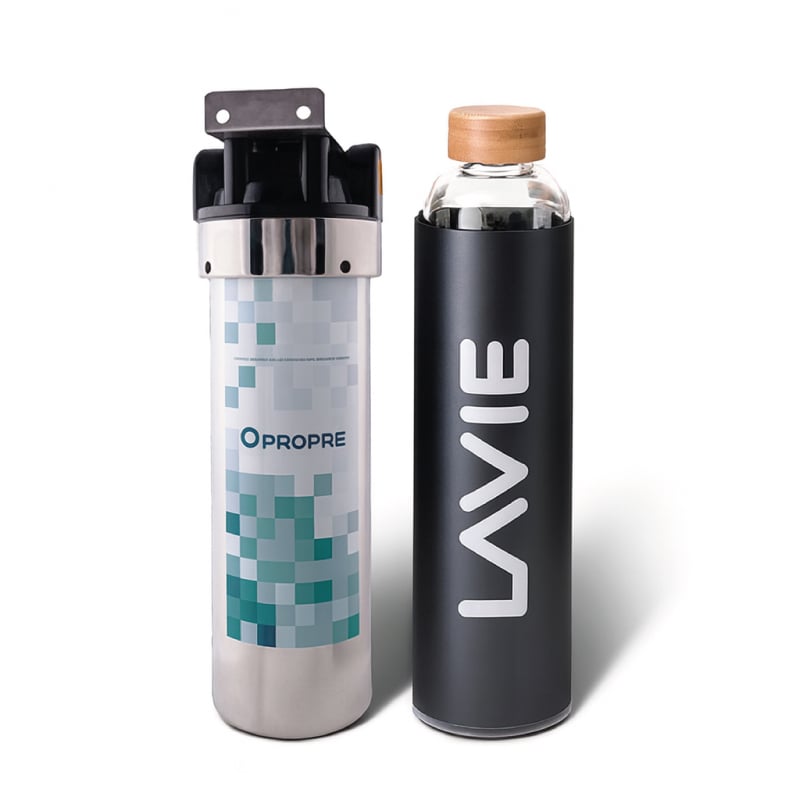
Serenity pack (Opropre + LAVIE PURE) |
| Chlorine | ✅ | ✅ | ✅ | ✅ | ✅ | ✅ |
| Sediments | ✅ | 🟠 | ✅ | ✅ | ❌ | ✅ |
| Bacteria | ❌ | ❌ | ❌ | ❌ | ✅ | ✅ |
| Viruses | ❌ | ❌ | ❌ | ❌ | ✅ | ✅ |
| Medicines | ❌ | ❌ | ✅ | ✅ | ✅ | ✅ |
| Pesticides | ❌ | ❌ | ✅ | ✅ | ✅ | ✅ |
| Heavy metals | 🟠 | 🟠 | ✅ | ✅ | ❌ | ✅ |
| PFAS | ❌ | ❌ | ✅ | ✅ | ❌ | ✅ |
| Microplastics | ❌ | ❌ | ✅ | ✅ | ❌ | ✅ |
| Preservation of beneficial minerals | ❌ | 🟠 | ❌ | ✅ | ✅ | ✅ |
| Discover | Discover | Discover |
Is binchotan charcoal effective for filtering water?
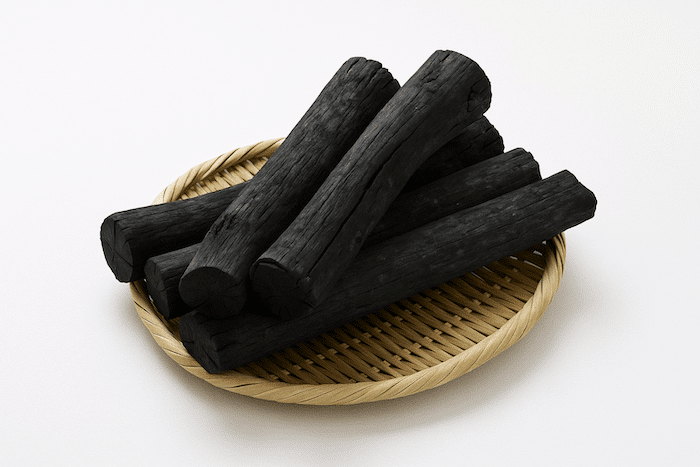
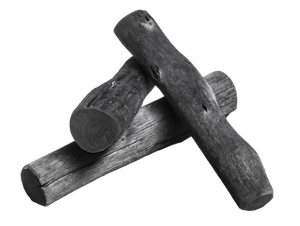
The binchotan charcoal is a particular type of activated carbon originating from Japan, made from ubamegashi oak branches. The wood is slowly carbonized at very high temperatures and then rapidly cooled to create porous sticks, marketed for their ability to adsorb odors and certain impurities from water.
However, behind its natural and sustainable image, binchotan is actually very energy-intensive to produce (combustion for several days at over 1,000°C, high CO₂ emissions…).
While using a charcoal stick can improve the taste of tap water and reduce the smell of chlorine, scientific opinions on binchotan do not confirm any effectiveness against the most problematic pollutants such as pesticides, heavy metals, pharmaceutical residues, or the infamous PFAS.
Moreover, there are many imitations on the market sold under the name “binchotan” made from cheap wood, poorly carbonized or chemically activated, which can release harmful product residues or tar into the water.
Finally, contrary to some commercial promises, boiling a binchotan stick is not enough to regenerate its adsorption capabilities. It only sterilizes it, but does not ‘unclog its pores’. To regain its original effectiveness, it would require activation at very high temperatures, impossible to reproduce at home. In practice, it therefore needs to be replaced regularly, with no reliable information on its lifespan.
💧Read also: Binchotan charcoal for filtering water: really effective?
What is the best activated carbon for purifying water?
As we have seen earlier, not all activated carbons have the same effectiveness. That is why it is essential to turn to more efficient and reliable solutions to eliminate all contaminants from tap water.
While binchotan appeals with its ‘natural’ image, its effectiveness against pollutants is limited and not scientifically proven. Here are the main differences between activated carbon sticks and LAVIE filtration or purification solutions.
|
Criterion |
Binchotan charcoal |
Opropre under-sink filter |

LAVIE UV-A filtering carafe |
| Type of filtration | Activated charcoal stick | Coconut activated charcoal + targeted anti-PFAS resin | UV-A purification (photolysis of chlorine) |
| Water quality | 💧 | 💧💧💧 | 💧💧💧 |
| Filtered pollutants | Chlorine taste
Some odors |
Chlorine
Sediments Heavy metals Microplastics and nanoplastics Pesticides PFAS |
Chlorine
Sediments Bacteria Viruses Traces of medications Traces of pesticides |
| Effectiveness | ❌ Not proven (no scientific study) | ✅ Proven: See our independent lab tests | ✅ Proven: See our independent lab tests |
| Amount of water filterable per day |
❌ 2 to 3 L maximum (4 hours per liter) | ✅ Unlimited | ✅ Dozens of liters per day (15 min to filter 1 L) |
| Duration of effectiveness | A few weeks to a few months (variable, not measured) | 6 months per cartridge (15x longer than a filter jug) | Unlimited (No cartridge replacement!) |
| Ecological impact | ❌ High:
Burned oak at very high temperatures (CO2 and fine particles emissions), long-distance transport… |
✅ Low:
LAVIE cartridges are returned and recharged. Activated carbon and resin recycled in specialized circuits. |
✅ Low:
Operation without filters or consumables, low electricity consumption thanks to LEDs |
| Installation | ✅ None | 🟠 To be installed under the sink | ✅ None (plug-in connection) |
| Purchase price | € | €€ | €€ |
| Recurring price | € | € | None! |
| Discover | Discover |
Opropre, the under-sink coconut shell activated carbon filter
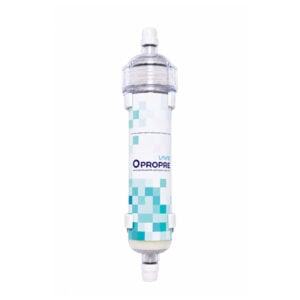
The under-sink filter Opropre Turquoise uses high-quality coconut activated carbon and a specially developed resin to capture PFAS, these ‘eternal pollutants’ that escape the majority of consumer filters.
Here are its main advantages compared to traditional solutions:
💧 Scientifically proven effectiveness: thanks to tests conducted by independent laboratories.
💧 Purified and healthier water: the filters can retain chlorine, heavy metals, microplastics, and nanoplastics as well as PFAS.
💧 An ecological and responsible solution: Our filter cartridges have a lifespan of 6 months and are returnable for recharging, without generating unnecessary waste. The used activated carbon and resin are recycled in specialized industrial circuits.
Opropre Turquoise thus guarantees pure and quality water, directly from the tap!
LAVIE, the filterless water carafe!
In addition to the Opropre activated carbon filters, LAVIE water purifiers eliminate bacteria and viruses, thanks to an innovative and patented technology: chlorine photolysis by UV-A radiation.
In just 15 minutes, UV-A rays:
- neutralize chlorine,
- eliminate bacteria and viruses,
- reduce pesticides and pharmaceutical residues.
All while preserving all the essential minerals in water, of course!

What is the lifespan of activated carbon in water?
The lifespan of an activated carbon water filter is an important criterion to consider, as saturated carbon loses its effectiveness and can even become a breeding ground for bacteria.
While there are no reliable sources regarding the optimal usage duration of binchotan charcoal, it should be noted that it must be replaced regularly (lifespan of several weeks to a few months) as boiling it is not sufficient to reactivate its adsorption capabilities.
The filter jugs, on the other hand, contain a small amount of activated carbon, which significantly limits their effectiveness duration. To avoid the risks of bacterial proliferation, it is recommended to change the filter every 3 to 4 weeks. This therefore represents a substantial recurring budget, not to mention the significant environmental impact of non-recyclable cartridges.
The Opropre Turquoise under-sink filter is the most effective and sustainable activated carbon filtration solution. Each cartridge contains a large amount of coconut activated carbon, ensuring its effectiveness for 6 months. To limit their environmental impact, each cartridge is refundable for recharging.
Discover now all the LAVIE filtration solutions to enjoy healthy and pure water at home!
See LAVIE water purifiers and filters