
 French
 Spanish
 German
 Italian
 English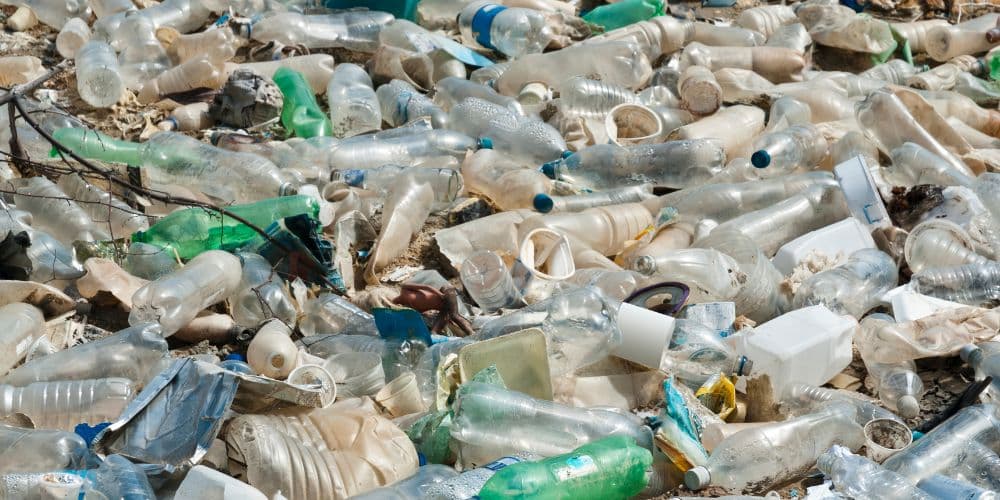
The consumption of plastic water bottles has become common in our daily lives. However, it is crucial to be aware of the ecological consequences associated with the use of these bottles.
In this article, we will discuss the environmental impacts of plastic water bottles, as well as the health impacts related to the presence of microplastics in bottled water, along with the results of studies showing that tap water is often of better quality than bottled water.
We will propose solutions to avoid the use of plastic bottles, such as using water filters or reusable bottles.
The alarming figures of plastic water bottle consumption
Every year, billions of plastic water bottles are produced and consumed around the world. This massive consumption generates a significant amount of plastic waste, which often ends up in the oceans and terrestrial ecosystems, disrupting wildlife and flora.

France as a Poor Student
France is among the largest consumers of plastic water bottles, with 9.3 billion liters of bottled water consumed in France each year despite general access to drinking water.
This amounts to 25 million bottles thrown away every day, of which only half are recycled.
The country ranks among the five countries in the world, proportionally, that consume the most plastic bottles, behind Mexico, Thailand (which does not have access to drinking water), Italy, and Germany. In France, the bottled water sold is mainly mineral water, with sparkling water accounting for 18% of consumption.
According to a study by the World Economic Forum, found here, if nothing changes, there will be more plastic (by weight) than fish in the oceans by 2050.
What measures?

France aims to reduce the number of single-use plastic bottles by 50% by 2030.
In this regard, France adopted in 2020 ‘the anti-waste law for a circular economy’ which includes a series of measures to limit the use of disposable plastic and therefore directly concerns the use of plastic water bottles. These measures include:
Since January 1, 2020:
- It is prohibited to offer plastic still water bottles in catering services.
In 2021:
- The free distribution of plastic bottles in establishments open to the public or in professional premises is prohibited.
- During festive, cultural, or sporting events, sponsors can no longer impose the use of plastic bottles.
In 2022:
- Public establishments are required to be equipped with at least one drinking water fountain accessible to the public.
The main environmental impacts of plastic water bottles
a. Ocean pollution and marine life
Plastic water bottles significantly contribute to ocean pollution. Plastic waste breaks down into microplastics, which are ingested by marine organisms, leading to severe consequences for the food chain and biodiversity.
b. Greenhouse gas emissions
The production and transport of plastic water bottles generate significant greenhouse gas emissions. The production of plastic bottles requires the use of large amounts of fossil energy, primarily oil. This production releases greenhouse gases such as carbon dioxide (CO2) into the atmosphere.
Furthermore, the transport of plastic water bottles, whether it involves the transport of raw materials, production, or distribution, also requires a significant amount of fossil energy, thereby contributing to the emission of additional greenhouse gases.
c. Use of natural resources
Indeed, the production of plastic water bottles requires a significant amount of water. According to some estimates, the production of a single plastic water bottle requires up to three times the amount of water contained in the bottle itself.
Furthermore, the production of plastic bottles can also have detrimental effects on local water resources, as it often requires the extraction of large quantities of groundwater.
Plastic Waste Management

The recycling of plastic water bottles is insufficient and complex. A large portion of plastic waste ends up in landfills or in nature, thus polluting soils and waterways. In France, only about half of plastic bottles are recycled each year.
The process of recycling plastic bottles is also complex and costly. Bottles must be collected, sorted, cleaned, and transformed into plastic pellets before being used to make new products. Furthermore, recycling plastic bottles often requires the use of toxic chemicals, which can have harmful effects on the environment and human health.
Recycling thus appears to be a false good idea. The only effective alternative lies in reducing the use of single-use plastic.
The impacts on human health

Microplastics are plastic microparticles that measure less than 5 millimeters in diameter. They are often used in the manufacturing of plastic products such as plastic water bottles. Unfortunately, these microplastics can be released from plastic bottles and end up in the water we drink.
Microplastics can be released from plastic bottles in several cases:
- First of all, during the production of the bottle, microplastics can form and end up in the water of the bottle.
- Then, during the storage or transport of the bottle, friction between the bottles can also cause the release of microplastics into the water.
- Finally, when the bottle is exposed to high temperatures, microplastics can detach and end up in the water of the bottle.
These microplastics could, according to certain studies, have harmful consequences on human health. Thus, some reports have shown that microplastics can affect the immune and hormonal systems, as well as cause fertility problems. Furthermore, microplastics can also carry toxic chemicals, such as phthalates, flame retardants, and pesticides, which can have even more severe effects on human health.
Solutions to avoid the environmental impacts of plastic water bottles
Fortunately, there are viable alternatives to consuming plastic bottles. Reusable bottles are one of the most popular and practical solutions. By using a reusable glass bottle, for example, you can significantly reduce your plastic consumption and lessen your environmental impact. Additionally, there are also more innovative options, such as glass and stainless steel bottles, which are durable and eco-friendly.
a. Choose alternatives to plastic water bottles
Choose reusable water bottles, glass or stainless steel bottles to reduce your consumption of plastic water bottles.
Everything you need to know about choosing your water bottle: https://lavie.bio/gourde-en-verre-en-plastique-en-aluminium-ou-en-inox-que-choisir/
b. Drink tap water

Tap water is generally of good quality. Use water purifiers to improve its quality and taste if necessary.
However, avoid filter jugs whose filters produce additional waste and whose effectiveness is quite relative! (learn more with our article on the filter jug)
Also read: Tap water filter: What to choose

c. Awareness and education
Inform yourself and raise awareness among those around you about the environmental issues related to plastic water bottles to promote collective awareness.
You can also convince them with the economic argument! Indeed, bottled water (spring and mineral) costs up to 300 times more than tap water! The price argument combined with that of environmental protection is often a winning one!

Also read: 10 tips to make your daily life more eco-friendly
d. Support initiatives and regulations
Encourage policies and initiatives aimed at reducing the production and consumption of plastic water bottles, such as deposit regulations or bans on certain single-use plastics.
In conclusion, the environmental impacts of plastic water bottles are significant. It is essential to change our consumption habits to protect the environment. By adopting sustainable and planet-friendly solutions, such as using reusable water bottles and consuming tap water, we can help reduce our ecological footprint and preserve our environment for future generations. Together, let’s act for a world less dependent on plastic water bottles and more respectful of nature.