 French
 Spanish
 German
 Italian
 English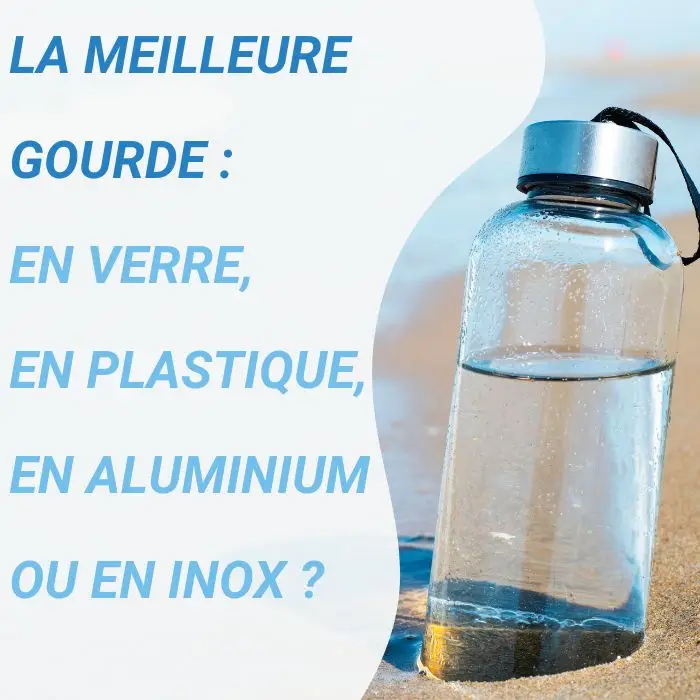
It cannot be repeated often enough, but it is essential to drink water regularly, throughout the day, in order to stay fit and effectively supply your body with this precious liquid. Water is both your ally for health, beauty, and well-being!
The best way to stay hydrated properly is to always have a water bottle within reach, whether you are at home, at the office, at the gym, doing yoga, or even hiking!
But which bottle to choose?! Indeed, between plastic, aluminum, stainless steel, or even glass bottles, there is a choice!
In this article, we will review the different types of bottles based on their advantages and disadvantages and finally tell you why we believe that glass bottles offer the best quality for you and the environment.
The different types of bottles
You will find a plethora of types of bottles in stores, with different brands, prices, colors, and designs. But let us focus on the main factor that we believe differentiates one bottle from another: the material used in its design.
Here are some of the most common materials used for this type of bottle.
Plastic… To be avoided!
Plastic bottles are lightweight and often inexpensive, but they can contain harmful chemicals.
Bisphenol A and phthalates
Some plastic bottles made from low-quality plastic can contaminate the water they contain and may include endocrine disruptors such as bisphenol A (BPA) and phthalates. These chemicals can migrate from the plastic to the water, especially when exposed to heat, wear, or chemicals such as detergents, or even acids like sodas or sparkling water.
Bisphenol A and phthalates are endocrine disruptors that can interfere with the functioning of the hormonal control system. They may be associated with a variety of health issues, such as reproductive problems, metabolic disorders, and cancers.
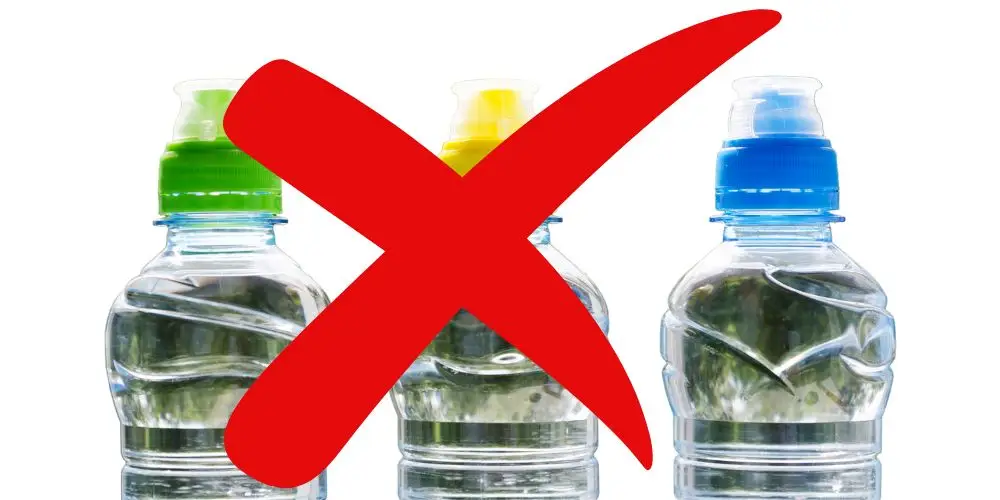
If you choose a plastic bottle, it is important to select plastic bottles that are food grade and free from bisphenol A, phthalates, or other potentially harmful chemicals.
Plastic and degradation
Food-grade plastic bottles are designed to resist leaks and water contamination, and they are often made from plastic without harmful chemicals.
However, it is still important to regularly clean plastic bottles to eliminate any buildup of germs and bacteria. It is recommended to wash them with warm soapy water and rinse thoroughly before reusing them.
Moreover, plastic is a material that can deteriorate over time and can retain odors and flavors from previous drinks.
Thus, the limitations of a plastic bottle are quite evident. And to conclude on this material, do you not think it is urgent to stop producing plastic items that cannot be recycled and that will ultimately pollute our environment?
Also read: What are the environmental impacts of plastic water bottles and how to avoid them
Aluminum
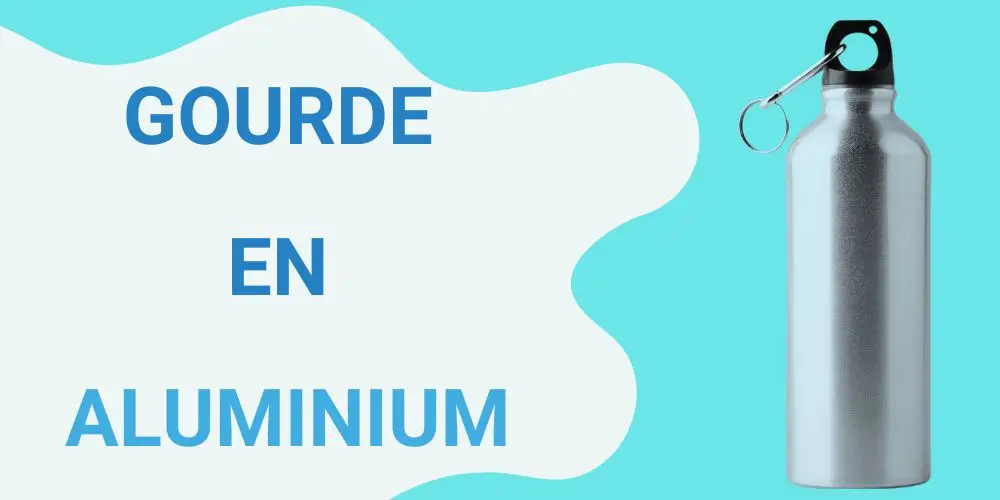
Aluminum bottles are lightweight, durable, and practical for outdoor activities due to their great strength, but they can also contain harmful chemicals, such as BPA. Additionally, aluminum can react with certain types of drinks, which can alter their taste.
Indeed, it is not uncommon for them to impart a slight metallic flavor to the water.
Finally, and without going into too much detail, it is worth noting that products contained in dishwasher tablets can alter aluminum, thereby reducing the lifespan of the bottle.
Stainless steel
Bottles made of stainless steel are durable, resistant, and easy to clean. They are also often insulating, which can keep drinks hot or cold for longer.
However, they can be heavier than other materials, which may make them less practical for travel. And again, as with aluminum bottles, the taste of your drinks can be altered by stainless steel, and the contact of lips with stainless steel is not pleasing to everyone!
Also read: The most common water filtration methods: advantages and disadvantages

The glass bottle, the best bottle?
Glass bottles are a healthy and safe choice for food and drinks, as they do not contain harmful chemicals. They are also easy to clean and sterilize, ensuring optimal hygiene for your drinking water.
However, glass is a fragile material that can break more easily than other materials. But we will come back to this!
In the meantime, here are the results of our comparison in table form:
| Pros | Cons | |
|---|---|---|
| Stainless Steel Bottle | Solid, odorless, safe for health, durable, scratch-resistant | Heavier, more expensive, not insulated, avoid dishwasher |
| Plastic Bottle | Economical, lightweight | Sometimes toxic (BPA), bad taste, partially recyclable, poorly insulated |
| Aluminum Bottle | Lightweight, solid, insulated, recyclable | Sometimes toxic (BPA), metallic taste of water, does not withstand dishwasher well |
| Glass Bottle | Recyclable, safe, easy to clean, no contamination, does not alter the taste of water | A bit heavier, more fragile, average insulation |
You will have understood, our choice leans towards glass bottles for the reasons we have discussed, but let us elaborate a bit more on its advantages!

The advantages of the glass bottle

As we have seen, the most common materials for bottles are plastic, aluminum, stainless steel, and glass. However, glass bottles have many advantages over other materials.
The durability of the glass bottle
In our quest to reduce plastic waste, glass bottles have become a significant ally.
Indeed, glass bottles represent an ecological alternative to plastic bottles. Plastic is a non-biodegradable material that can take hundreds of years to decompose in the environment.
In contrast, glass is a recyclable material infinitely, meaning it can be reused multiple times without losing its quality. By using a glass bottle, you are opting for an ecological bottle (as it is reusable, recyclable, and BPA-free). Thus, you can help reduce your carbon footprint and protect the environment by producing less waste.
Also read:
It is confirmed, bottled water poses a real health danger from plastic
Glass: a hygienic material
Glass bottles are more hygienic than plastic bottles in particular, as glass is naturally non-porous. This means that germs and bacteria cannot penetrate the material, making glass bottles easier to clean and maintain.
The transparency of glass also ensures better hygiene for your glass bottle. Indeed, being transparent allows you to easily see if the bottle is dirty or not, and if it needs to be cleaned. This can help prevent the proliferation of bacteria and germs that can accumulate in an uncleaned bottle.
Moreover, glass bottles do not retain odors and flavors from previous drinks, allowing you to fully enjoy your favorite beverage.
It’s good for health!
Glass bottles are a healthy alternative to plastic bottles. As we have seen, plastic bottles and even sometimes aluminum ones can contain harmful chemicals such as bisphenol A (BPA) that can be dangerous to health.
Glass is a non-toxic material that does not release chemicals into the beverages it contains. By using a glass bottle, you can drink pure and healthy water without worrying about toxic chemicals.

Fragile, really?
So yes, glass breaks more easily than other materials, there is no doubt about that. But in order to enjoy all the advantages mentioned above, there had to be a disadvantage! Thus, even if you will not find an unbreakable glass water bottle, rest assured, as all the best glass water bottles are made of borosilicate glass.
Firstly, borosilicate glass is stronger than regular glass due to its composition which includes borosilicate.
This material gives the glass an increased resistance to heat and thermal shocks, as well as increased resistance to chemicals. Moreover, borosilicate glass is also more resistant to scratches and stains than regular glass. This makes it an ideal material for use in applications where durability is important, such as laboratory glassware and heat-resistant kitchenware.
Additionally, a good borosilicate glass water bottle will come with accessories such as a silicone protective sleeve or other shock-resistant materials like neoprene to best protect your bottle.
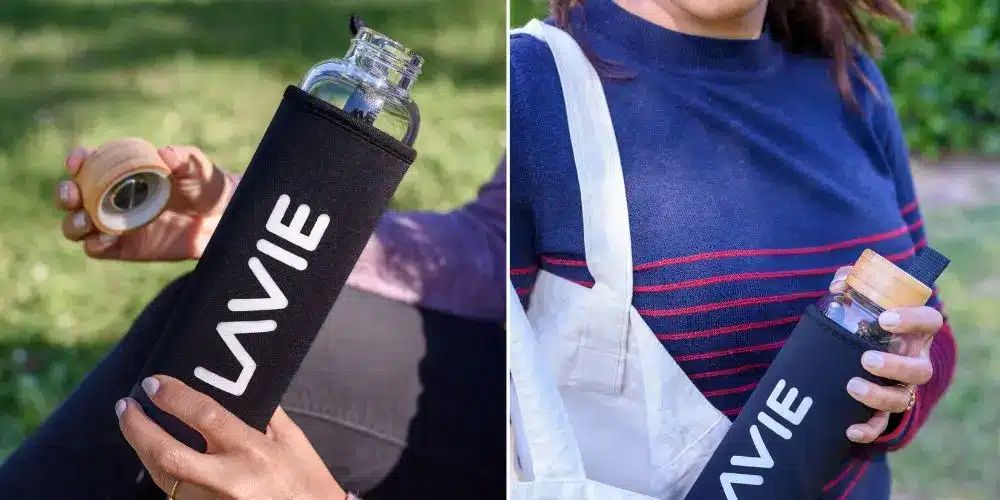
Test the LaVie glass water bottles
In conclusion, using a glass water bottle is a wise choice for your health and for the environment. Glass water bottles are safe, durable, versatile, and environmentally friendly. By choosing a high-quality bottle with a leak-proof cap and sufficient capacity, you can ensure that you have a healthy, eco-friendly, and convenient source of hydration at your fingertips!
If you are convinced to get a glass water bottle, we invite you to discover the nomadic version of our water purifier LaVie 2GO or the 1l glass bottle or its 500ml bottle version.