
 French
 Spanish
 German
 Italian
 English
Drinking tap water while pregnant, is it really risk-free? This is a question that many future mothers ask themselves. And for good reason, what mom drinks, baby consumes too.
In France, tap water is the most controlled food product. However, it can still contain pollutants (PFAS, pesticides, chlorine…). So yes, it remains drinkable. But its composition is enough to raise doubts, especially when it comes to the health of the future child.
Should we be worried? Switch to bottled water? Or is there a more reliable way to obtain truly healthy water?
In this article, we sort through misconceptions, real effects, and concrete solutions for drinking safer water during pregnancy.
Can a pregnant woman drink tap water?
A pregnant woman can safely drink tap water. From its source to your home, the water is subject to strict health controls. It meets specific standards that allow it to be consumed, including during pregnancy.
Nevertheless, drinking water is not completely free of pollutants. The quantities are low and regulated, but that is enough to raise questions, especially when it comes to protecting the future baby and its mother.
Moreover, the quality of the water can vary depending on the environment, which sometimes requires additional precautions.
In an old building, for example, the pipes may be aging. If they contain lead, it can leach into the water. In agricultural areas, the water may be more exposed to pesticides. Finally, in case of a specific problem in the network, health authorities may recommend specific uses, particularly for pregnant women and infants, who are more sensitive to certain residues.
But the good news is that this water has a significant advantage over bottled water. It can be filtered directly at home.
A simple solution to improve water quality and maintain healthy hydration on a daily basis.
What water pollutants can be concerning during pregnancy?
Nitrates: a natural contaminant under surveillance
Nitrates are naturally present in the environment. But in water, they mainly come from agricultural activities, due to fertilizers that seep into the soil.
In France, their concentration is regulated, with a limit set at 50 mg/L.
However, during pregnancy, one must remain vigilant. At high doses, nitrates can convert into nitrites in the body and disrupt the transport of oxygen in the blood, with potentially serious consequences, including blue baby syndrome.
This year, for example, in a municipality in Eure in Normandy, an exceedance led to advising against tap water for pregnant women and infants.
Therefore, nitrates in water remain a concern.
PFAS: a persistent contamination
PFAS (forever chemicals) are chemical compounds used to make certain materials resistant to water, heat, and grease. They are found everywhere, from food packaging to textiles.
The problem is that they hardly ever disappear. They accumulate in the environment, seep into the soil, and then into what we drink.
And bottled water is not spared. After analyses, traces have also been identified in spring and mineral waters.
Three sources of mineral water in Ardèche and Loire have ceased their activity due to this pollutant.
No water is therefore completely safe.
During pregnancy, this exposure worries pregnant women even more. Why? Some studies mention effects on the hormonal system, immunity, or the development of the infant.
Thus, PFAS in tap water remain a pollution to take seriously.
Bisphenols: endocrine disruptors still present
Bisphenols are chemical substances used in certain plastics. Over time, they leach into the environment and then end up in our glass of water.
The most well-known, bisphenol A (BPA), has been banned because it acts as an endocrine disruptor. But it is still present in soils and this can have an impact.
The development of the baby largely depends on hormones, which guide the formation of the brain, nervous system, and reproductive organs.
However, some studies show that bisphenols can impact these mechanisms, including affecting the cells that give rise to sperm in male fetuses.
Unfortunately, BPA has been replaced by other bisphenols, such as BPB, suspected of having similar effects, or even more harmful.
It is therefore better to favor glass containers, especially for drinks and baby bottles.
Phthalates: reprotoxic substances to limit
Difficult to avoid, phthalates are present in many everyday plastics. And with wear, they leach into the environment and then end up in tap water. Exposure does not stop there, as it also comes through air and food.
These substances are classified as reprotoxic and genotoxic. In other words, they can disrupt the hormonal system and alter DNA.
For the well-being of pregnancy, it is necessary to avoid them. Some studies show that phthalates can disrupt key hormones in the formation of the fetus’s genital organs. Others mention impacts on brain development, with possible links to behavioral disorders or a decrease in IQ.
It is therefore important for pregnant women to pay attention to the quality of the water consumed.
Heavy metals: contaminants linked to installations
Heavy metals can appear in tap water when it flows through old, degrading pipes, aging domestic installations, or certain equipment.
Lead is the most well-known, but others like cadmium, copper, or nickel can also be involved.
During pregnancy, these elements are harmful in high quantities. Some heavy metals can cross the placental barrier, enter the fetus’s circulation, and interfere with the development of its brain. They are also associated with growth delays and kidney damage in the mother.
The case of cadmium in tap water illustrates these issues well, as it is classified as carcinogenic and is under significant surveillance.
However, it should be noted that the majority of cadmium absorbed in our modern lives comes from food (about 90% in bread, cereals, milk).
The solution therefore seems to be to turn to organic products whenever possible, which do not use cadmium-laden fertilizers.
Tap water vs bottled water: what to choose during pregnancy?
When wondering which water to drink while pregnant, we tend to turn to bottles. Many believe they are safer.
In reality, it is not that simple.
Bottled water is far from flawless. First, it contains microplastics. A study estimates that bottled water consumers ingest up to 90,000 plastic particles per year. Additionally, it may contain toxic elements such as PFAS and certain pesticides.
These are not the only drawbacks. Bottled water can be up to 300 times more expensive than tap water. Added to this are the packs to carry, the plastic to throw away, and a clearly catastrophic environmental impact.
As for mineral water, it is often chosen for its calcium and magnesium content. But in reality, these minerals are widely present in tap water and a healthy diet. Moreover, some of these waters are high in sodium, which is not ideal during pregnancy.
Conversely, tap water is the most monitored food product. It is continuously tested, from the source to your home. And above all, it has a key advantage: we can improve its quality at home, using filtration.
No water is therefore pure. But we can take back control over the quality of the water we drink.
How to make tap water safer during pregnancy?
|
Filtered, reduced, or eliminated element |
Classic filtering pitcher |
Tap filter |
Osmosis system |

Under-sink Opropre filter |

LAVIE purifier |
Serenity pack (Opropre + LAVIE PURE) |
| Chlorine | ✅ | ✅ | ✅ | ✅ | ✅ | ✅ |
| sediments | ✅ | 🟠 | ✅ | ✅ | ❌ | ✅ |
| Bacteria | ❌ | ❌ | ❌ | ❌ | ✅ | ✅ |
| Viruses | ❌ | ❌ | ❌ | ❌ | ✅ | ✅ |
| Medications | ❌ | ❌ | ✅ | ✅ | ✅ | ✅ |
| Pesticides | ❌ | ❌ | ✅ | ✅ | ✅ | ✅ |
| Heavy metals | 🟠 | 🟠 | ✅ | ✅ | ❌ | ✅ |
| PFAS | ❌ | ❌ | ✅ | ✅ | ❌ | ✅ |
| Microplastics | ❌ | ❌ | ✅ | ✅ | ❌ | ✅ |
| Conservation of beneficial minerals | ❌ | 🟠 | ❌ | ✅ | ✅ | ✅ |
| Discover | Discover | Discover |
Tap water is not perfect. But it is possible to improve its quality on a daily basis, especially for a pregnant woman.
Home filtration is currently the most effective solution for better hydration. But be careful, not all are equal.
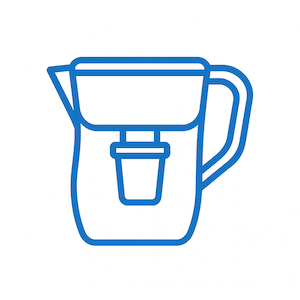
- Classic filter jug
Simple and accessible, but very limited. It filters little, requires frequent cartridge replacement, and can promote the growth of bacteria if not properly maintained.
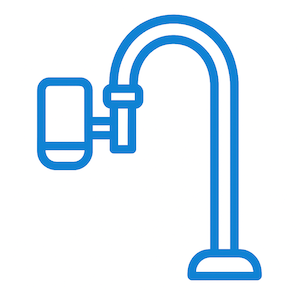
- Tap filter
Its effectiveness remains limited on residues and it requires regular maintenance.
- Reverse osmosis system
Very effective on paper, it can eliminate up to 99% of contaminants. But it also removes essential minerals, is expensive to install and maintain, and wastes a lot of water, up to 4 liters discarded for 1 liter filtered. It also discards pollutants concentrated in the environment and requires expensive and non-recyclable cartridges.
M6 has just demonstrated its very average effectiveness (60%, far from the famous 99%) on microplastics.
- Under-sink filter + UV-A purification
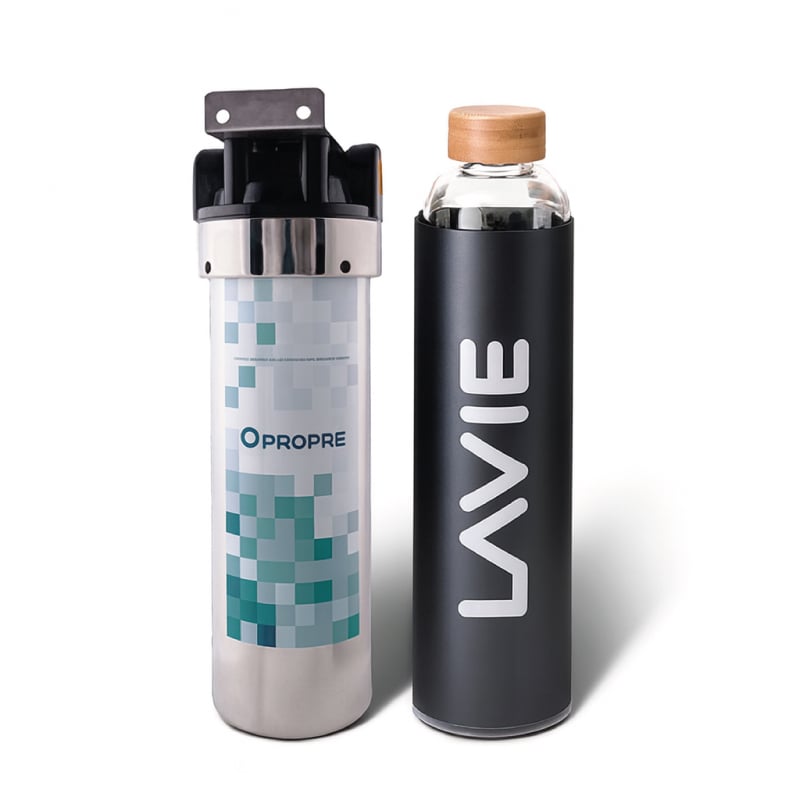
A balanced approach. The filter acts at the source by capturing many pollutants, including the most persistent ones. Combined with UV-A technology, it neutralizes bacteria and viruses, as well as traces of medications and pesticides, without removing minerals.
Understanding how to filter tap water is essential in order to choose the system that best suits your consumption.
Why choose LAVIE for safer water during pregnancy?
When expecting a baby, one naturally pays more attention to what one consumes.
This is where LAVIE comes in, with solutions designed to improve tap water, simply and with complete confidence.
To achieve this, two complementary approaches:
- The LAVIE purifier
Uses UV-A technology to neutralize bacteria, viruses, and chlorine, without filters or chemicals.
- The Opropre under-sink filter
Acts at the source by reducing persistent elements, such as PFAS, microplastics, and pesticides.
Result: filtered water healthier, safer, and more balanced, for the pregnant woman as well as for her future child.