 French
 Spanish
 German
 Italian
 English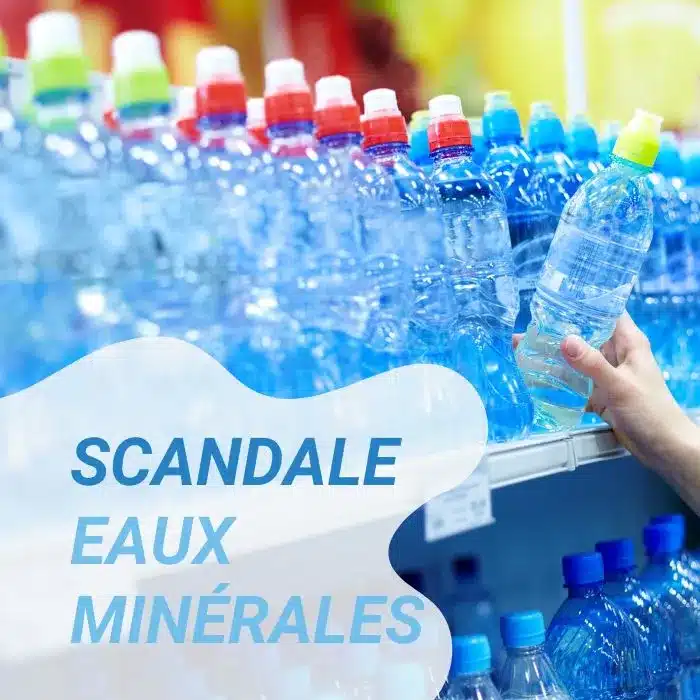
Cristalline, Vittel, Perrier, and St-Yorre: all these water brands are well known to the French who are among the largest consumers of bottled water in the world. The main argument for this enthusiasm? Bottled water is said to be safer and better for health than tap water and, above all, would be pure… Really? Some illegal practices by certain industrial players seriously undermine this claim!
Indeed, a very recent journalistic investigation is shaking up the bottled water industry in France. Thus, industry giants like Nestlé Waters, Alma, and other producers are at the heart of a scandal revealed by Le Monde and the investigative unit of Radio France.
It turns out that these companies have used non-compliant purification methods to mask the contamination of their products. This revelation raises crucial questions about the integrity of the industry and consumer trust in bottled water. In this context, the importance of a reliable and transparent water source has never been more pressing.
Hidden purification practices and contamination among industry leaders
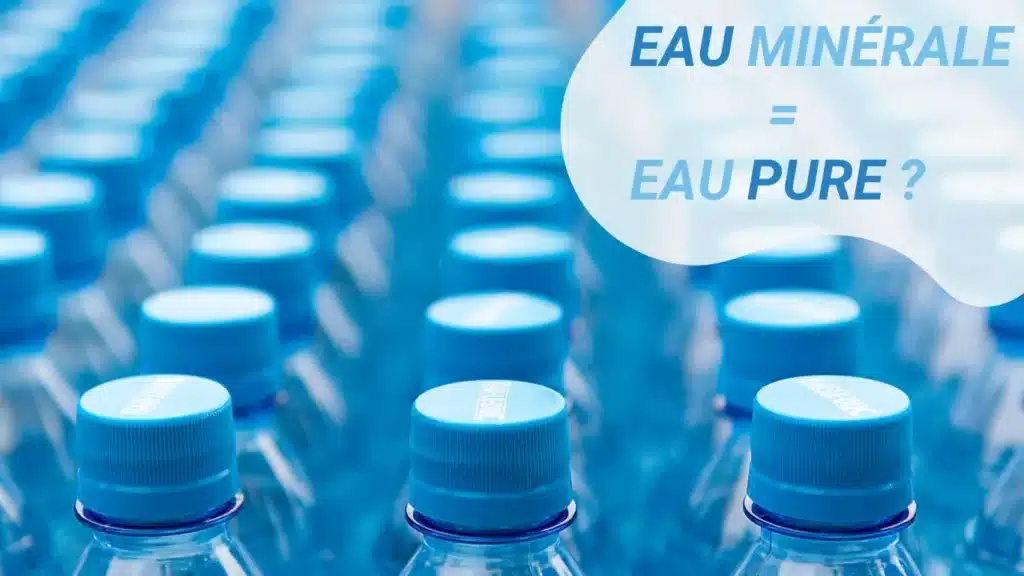
The investigation has revealed that leading names in the bottled water industry, such as Nestlé Waters, were using charcoal filters and ultraviolet light to purify certain mineral waters. Why treat this water that is supposed to be ‘pure’? Simply because it is regularly contaminated by bacteria such as Escherichia coli and traces of chemical pollutants.
These discoveries contradict the expectations of ‘original purity’ associated with mineral waters. This argument is, of course, extensively used in the marketing strategies of the brands.
Moreover, the Alma group, owner of Cristalline, Saint-Yorre, and Vichy Célestins, is accused by the Fraud Prevention Agency of illegal practices. The company allegedly altered its mineral waters by adding tap water, used unauthorized decontamination methods, and employed prohibited treatments such as industrial gas, iron sulfate, ozone disinfection, and UV-C filtration, thus violating regulations on mineral waters. (Source: foodwatch)
Concealment followed by admissions
While Nestlé initially attempted to conceal these practices, the company later sought to obtain permission from the French government to continue using these prohibited treatment methods. A secret meeting in Bercy in 2021 between Nestlé and the office of the then Minister of Industry led to discussions about modifying regulations in favor of Nestlé.
Consequences and reactions
The revelations from this investigation thus highlight alarming gaps in the regulation of the bottled water industry. This situation has caused a shockwave in the sector, raising serious questions about the transparency and ethics of production processes.
The case has also raised questions about governance and the need for stricter controls. It has also been revealed that the French government, particularly the office of Elisabeth Borne when she was Prime Minister, did not inform the judiciary or the European authorities about Nestlé’s practices, despite legal obligations. This omission highlights a problem of governmental accountability and transparency.
Bottled water further caught in a whirlwind
It can be said that troubles are piling up for the bottled water industry! Indeed, very recently, another piece of information made headlines by revealing the massive presence of nanoplastics in bottled water, in proportions well beyond previous estimates.
A study published in the journal Proceedings of the National Academy of Sciences indicates that bottled water can contain up to 400,000 nanoplastic particles per liter, quantities significantly higher than those found in tap water. These tiny particles pose potential health risks as they can infiltrate the bloodstream and accumulate in vital organs.
Also read: It is confirmed, bottled water represents a real health danger due to plastic
In parallel, the environmental impact of the production and disposal of plastic bottles continues to raise major concerns.
Also read: What are the environmental impacts of plastic water bottles and how to avoid them
These scientific discoveries, combined with the revelations from the recent investigation into the illegal filtration practices of certain mineral waters, call into question both the safety of bottled water and the trust in its production quality.
Finally, they highlight the need for more sustainable solutions, such as eco-friendly water purifiers.
Towards a sustainable future: rethinking water consumption in light of the bottled industry crisis
This crisis in the bottled water industry confronts us with the reality of industrial practices and raises fundamental questions about the trust we place in everyday consumer products.
In this context, the solutions proposed by LaVie are becoming increasingly relevant, offering a reliable and eco-friendly alternative to bottled water. LaVie’s commitment to transparency and quality represents not only a healthy choice for consumers but also a step towards a more sustainable and responsible future in terms of water consumption.