 French
 Spanish
 German
 Italian
 English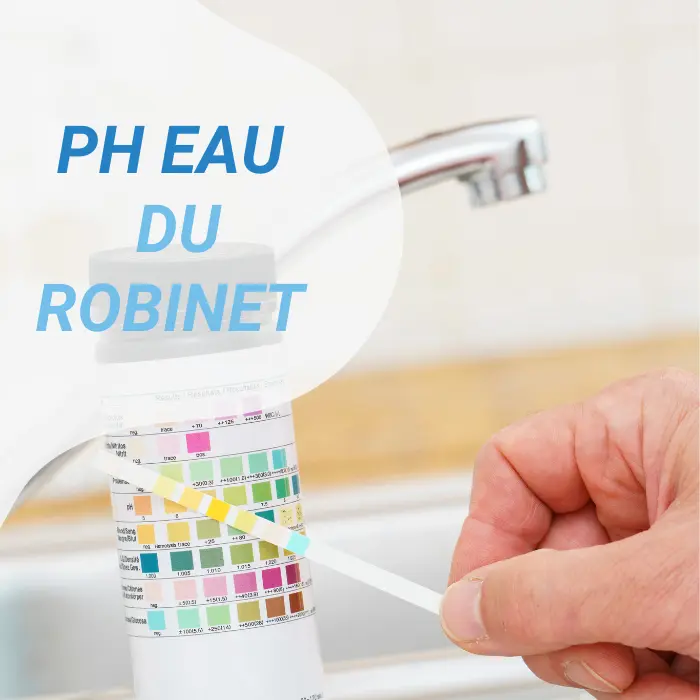
Did you know that the pH of tap water can affect not only your health but also your household appliances? Yes, you read that right! This little mysterious number can influence much more than you might imagine.
The pH is somewhat like the personality of water: is it acidic, neutral, or basic? Understanding this concept is crucial for everything, from maintaining your plumbing to preserving your skin. In this article, we will demystify the pH of tap water and explain why it is so important.
Ready to dive into this fascinating topic? You will discover how to measure the pH of your water, why it is essential to monitor it, and most importantly, how you can optimize it to improve your quality of life. So, stay with us, we will tell you everything!

What is pH?
So, let’s talk about the pH of tap water. This little number, which we measure on a scale from 0 to 14, tells us whether the water is acidic, neutral, or basic. But what does this mean chemically?
- pH < 7: The water is acidic. This means it contains more hydrogen ions (H+). Acidic water can be more corrosive, attacking pipes and household appliances, and can cause skin and mucous membrane irritations.
- pH = 7: The water is neutral. At this level, the concentration of hydrogen ions (H+) is equal to that of hydroxide ions (OH-). Neutral water is generally the gentlest on the skin and does not damage pipes or appliances.
- pH > 7: The water is basic (or alkaline). This means it contains more hydroxide ions (OH-). Basic water can cause lime deposits, making pipes and appliances less efficient, and can also dry out skin and hair.
Ah, and you may be wondering why this name pH?
The pH is determined by the concentration of hydrogen ions (𝐻+) in the solution. Formally, pH is defined as the negative logarithm of the concentration of hydrogen ions: pH = −log[𝐻+].
So we understand why the H for hydrogen, but the p?
The “p” in “pH” comes from the German word “Potenz,” which means “power” or “potential.” In chemistry, the “p” is often used to indicate the negative logarithm of a concentration. Thus, “pH” means “power of hydrogen” or “hydrogen potential“
The pH of tap water in France
In France, the pH of tap water varies by region and water sources, but the quality standards tell us that it must be between 6.5 and 9.5 to be drinkable.
Several elements can influence the pH of your water. Dissolved minerals, for example, play a major role: the more calcium or magnesium, the more basic the water can be. Water treatments, aimed at making it drinkable, can also modify its pH. And let us not forget pollution, which can unfortunately acidify certain water sources.
In summary, the pH of tap water in France is the result of a complex mix of natural and human factors. Knowing these variations can help you better understand the quality of your water and act accordingly.
Why is the pH of tap water important?
Why is it important? Because pH influences many things:
Impact on the taste of water
Well-balanced water tastes better.
- Neutral pH (around 7): Water with a pH close to 7 is generally perceived as having a pleasant and neutral taste. This is the ideal pH for drinking water.
- Acidic pH (below 7): Slightly acidic water can have a metallic or sour taste. This may be due to the dissolution of metals present in the pipes, such as copper or lead.
- Alkaline pH (above 7): Slightly alkaline water can have a taste of bicarbonate or soap. Some minerals, such as calcium and magnesium, can give a “harder” taste to the water.
Impact on health
In terms of health, water that is too acidic or too basic can cause discomfort. For example, too acidic water can lead to irritations and imbalances in your digestive system, while too basic water can affect digestion and nutrient absorption. Balance is therefore essential for your body to function optimally.
Impact on household appliances

Next, there are your household appliances. An unsuitable pH can cause corrosion problems in your pipes and reduce the effectiveness of your cleaning products. Too acidic water can erode metals, while too basic water can leave lime deposits.
Results: washing machines, dishwashers, and water heaters that wear out more quickly.
Impact on skin and hair

Finally, let us not forget your skin and hair. An unbalanced pH can make your skin dry and irritated, and your hair dull and brittle. The water you use daily to wash has a crucial role in the health of your skin and hair.
To make a comparison, the pH of tap water is somewhat like seasoning in a recipe: a small variation can change everything. Ensure that it is well-balanced to enjoy its benefits without suffering its drawbacks!
Thus, knowing and balancing the pH of your tap water ensures healthier and more pleasant water to use daily.
Summary table of disadvantages (and solutions) for water that is too acidic or too basic
To help you better understand and manage the pH of your tap water, here is a summary table of the main disadvantages of water that is too acidic or too basic, along with practical solutions to remedy them. You will see, it is simpler than it seems!
| Disadvantages | Water too acidic | Water too basic |
|---|---|---|
| Health | Skin and mucous membrane irritations, digestive problems | Dryness and irritations of the skin and hair |
| Household appliances | Corrosion of pipes and appliances | Limescale formation, reducing the efficiency and lifespan of appliances |
| Taste | Unpleasant metallic taste | Unpleasant taste of water |
| Heavy metals | Dissolution of heavy metals and plastics (lead, copper, polyethylene) from pipes | N/A |
| Solutions   | Water too acidic | Water too basic |
|---|---|---|
| Solution 1 | Install a calcium-magnesium remineralization filter that will naturally raise the pH. | Install a water softener: Reduces alkalinity and protects household appliances. |
| Solution 2 | Specific water filters: Activated carbon filters or reverse osmosis to adjust the pH | Acidification filters: Add safe acids to neutralize excess basicity |
| Solution 3 | Add baking soda: Neutralizes acidity for small amounts of water | Use food acids: White vinegar or lemon juice for small amounts of water |
| Solution 4 | Use remineralizing cartridges: Add alkaline minerals to stabilize the pH | Install a water softener with pH adjustment: Adjusts the hardness and pH of the water |
| Solution 5 | Check and adjust the pH regularly: Use test strips or an electronic pH meter | Check and adjust the pH regularly: Use test strips or an electronic pH meter |
How to know the pH of tap water in my municipality?
It is very simple, all data on drinking water can be consulted on the Ministry of Health’s website:
https://sante.gouv.fr/sante-et-environnement/eaux/eau
How to measure the pH of tap water?
Knowing the data of your municipality is not enough, and you want to know the exact pH of the water from your tap? So, how can you tell if the tap water at your home is acidic, neutral, or basic? Good news, it is simpler than you think!
Measurement methods:
Test Strips: Easy to use and affordable, test strips change color based on the pH of the water. They are ideal for quick and occasional checks.
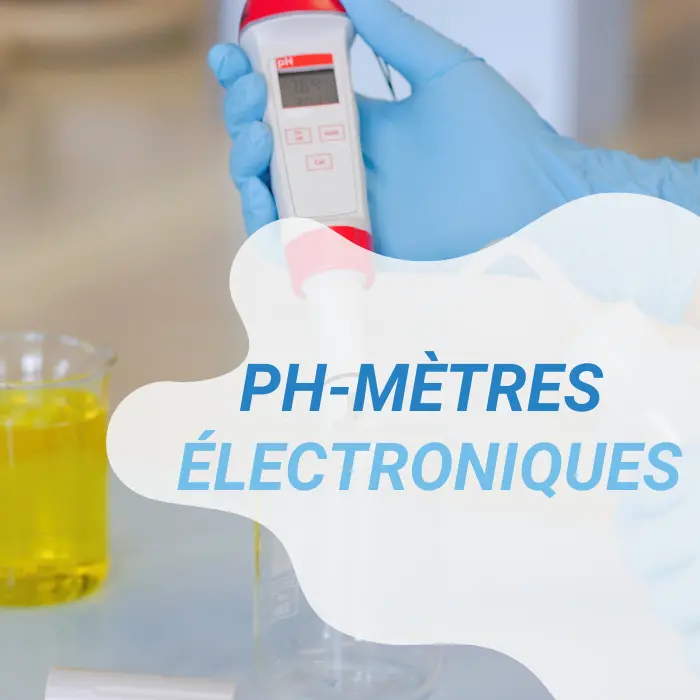
Electronic pH Meters: More precise and reusable, these small electronic gadgets provide a digital reading of the pH. They are perfect for those who want accurate and frequent results.
Test Kits: These kits generally include reactive solutions and color scales to compare results. They are a good compromise between strips and pH meters in terms of accuracy and cost.

Procedure:
Preparation: Before starting, ensure that your water sample is at room temperature. If you are using a pH meter, calibrate it according to the manufacturer’s instructions.
Sampling: Take a clean glass and rinse it several times with the water you are going to test. Then fill it with the tap water sample.
Measurement with strips: Dip a test strip into the water for the time indicated on the packaging. Remove it and immediately compare the resulting color with the provided scale.
Measurement with a pH meter: Immerse the electrode of the pH meter in the water and wait a few seconds to obtain a stable reading. Note the displayed result. Of course, this is the method I prefer as it is the most accurate 🙂
Measurement with a test kit: Follow the instructions of the kit, usually by adding a few drops of reagent solution to the water and comparing the resulting color with the provided scale.
And there you go! You now have a clear idea of the pH of your tap water. A small, easy gesture that can help you better understand and improve the quality of the water you consume every day.
What is the relationship between pH and water hardness?
First of all, to learn everything about water hardness, we refer you to our comprehensive article on the subject:
Also read: Understanding water hardness: Definition and measurement
But let’s continue on the subject, even without having read this article (😉), we can summarize the following points:

- Taste of water: Hard water, which contains many minerals, may have a more pronounced taste, often described as “mineral” or “metallic.” The pH also influences the taste, as mentioned earlier.
- Deposits: Hard water is more likely to cause limescale deposits (calcium carbonate) in pipes and household appliances, which can reduce their efficiency and lifespan. The pH plays a role in this process; alkaline water (high pH) promotes the formation of these deposits.
- Corrosion: Conversely, water that is too soft (low in minerals) can be corrosive, especially if the pH is low (acidic). This can lead to the dissolution of metals in pipes and equipment.
- Water treatment: Water treatment systems can adjust both pH and hardness to optimize water quality. For example, water softeners can be used to reduce hardness, and pH adjusters can be used to stabilize pH. However, be cautious, as traditional water softeners are not without drawbacks. They pose health risks and have a negative environmental impact. See our article Why use a water softener? to learn more. And for an overview of all anti-limescale systems for the home, we recommend our comprehensive article on the subject:
In summary, the pH of tap water is a crucial criterion for ensuring quality drinking water. Regional health agencies conduct regular analyses to ensure that the water meets the standards set by the Ministry of Health. These analyses provide valuable information about the presence of chemicals and their potential effects on the human body.
Monitoring and optimizing the pH of your tap water is essential for your health and that of your household appliances. Well-balanced water that meets safety criteria ensures risk-free consumption and maintains your daily well-being.

LAVIE Reviews on Google